 Outreach
Planning, explained
We believe that a community cannot contribute their voice if they don't know what urban planning is. We bring the field to all populations that may not know how or why planning exists.
Urban Education for Youth. (opens in a new tab)
Urban Education for Youth (UEY) is our school-visit program, and it is run by students. High school volunteers go into elementary and middle school classrooms in small groups, teach a short lesson about how the city works, and ask students what they like, what could be better and what they want to see next.
Every visit is built around a real topic from regional planning, so what students say does not stop at the classroom door. It is collected, compared and carried to the people making decisions.
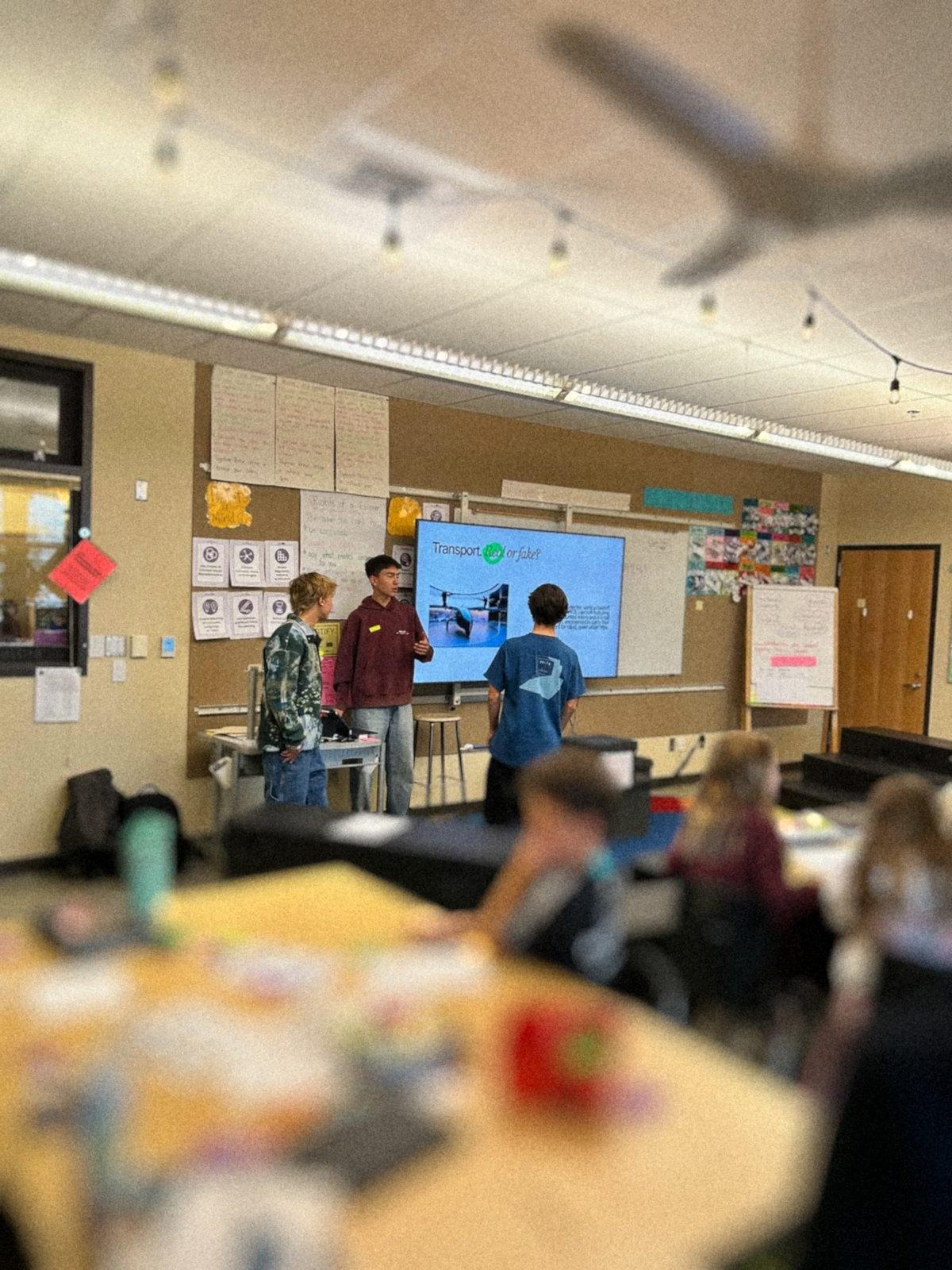
High school volunteers lead short sessions in elementary, middle and high schools. They teach a planning topic and use open-ended questions to hear what students think of their city.
Volunteers who want to go further comb through what the classroom sessions said students want to see in their city’s development, and pull out the trends.
We take what students said to the city through youth policy advocacy, work the organization starts with the city council, and a youth perspective on pressing city issues.
A short briefing before each visit covers the lesson. That is all the preparation volunteers need.
Visits are designed to fit inside a single class, so teachers lose very little time.
Volunteers sign up with friends and teach together, led by one of their own.
There is no charge for a classroom visit.
Everyone who lives in the city.
We start with students, because they have the longest stake in what gets built, and we share what we make so teachers, universities and neighbors can use it too.
In-person lessons for elementary and middle school classes, taught by high school students close in age to them.
- Hands-on, one class period
- Students share what they want for their city
- Booked by the teacher
The people who teach. High school students lead groups, present and help shape the questions we ask.
- Teaching and leadership experience
- Community service hours
- Group Lead and youth analysis roles
Projects that use real street data and open tools, with room for students and researchers to test and challenge our methods.
- Urban sensing and simulation
- Open data and methods
- Placeholder: current projects go here
Videos and materials other educators can reuse in their own classrooms.
- Free to use
- Built from what we teach in person
- Placeholder: library link goes here
We are based in Bend, and our first classroom visits and planning input are focused here. We want to prove the model locally before it travels.
Email us with your school, grade and a few times that suit you. We bring the lesson, the volunteers and the questions.
Planning shapes everyday life, but few people are ever shown how it works.
Where homes go, how streets work and who can get around safely are all decided through planning. The process is open to everyone and explained to almost no one. We bring planning to the people who do not yet know what it is.
of U.S. adults agree that they and their neighbors should decide what gets built in their neighborhood.
Harris Poll, 2022, 1,076 adults
of U.S. adults say they would want to take part in local planning efforts.
APA / Harris Interactive, 2012, 1,308 adults
People who speak at planning meetings vote in local elections about twice as often as other voters (50% of elections vs 27%).
Einstein, Palmer & Glick, 2018, 97 Boston-area towns
average age of people who speak at planning meetings, compared with 50.9 across all voters. Women were 43% of speakers and 51% of voters.
Einstein, Palmer & Glick, 2018
People want a say. Only a narrow slice uses it.
Most people want a voice in what gets built, and over half say they would take part in planning. Yet the people who actually speak up at planning meetings are a narrow slice of the community: older, more often longtime residents, and far more frequent local voters.
The gap is not only interest. It is also knowing what planning is and how to take part, and that is what our education work is for.
You cannot join a conversation you were never told exists. A plain explanation of how streets, housing and neighborhoods get decided is often the first step.
When more kinds of people understand the process, planners hear from more of the community than the few who already show up.
Knowing what planning is makes it easier to comment, vote and ask questions about the places people live.
Sources: The Harris Poll, housing and zoning survey, July 2022; Planning in America: Perceptions and Priorities, APA and Harris Interactive, 2012; Einstein, Palmer and Glick, “Who Participates in Local Government? Evidence from Meeting Minutes,” Perspectives on Politics, 2018. Meeting figures come from planning and zoning meetings in 97 Boston-area towns, 2015–2017.
Short to prepare. Real to deliver.
High school students run UEY. Pick the level that fits your time, and bring friends.
Urban Education for Youth
Volunteers sign up with friends. Each group has a Lead who coordinates it, and you can ask to visit a sibling’s classroom.
A ten to fifteen minute briefing covers the lesson before each visit.
The group presents a hands-on lesson about how the city works.
Students share what they want for their city, and that input feeds real planning projects.
Join a group, get briefed and teach a short lesson. A short briefing, one class period and a chance to teach.
- 10–15 minute briefing
- Go with friends
- Community service hours
Coordinate your own friend group: bring them to the meetings, get the briefing and present together. You help run UEY, it is not just ours.
- Run your group’s schedule
- Be the point of contact
- Lead the presentation
Join the students who comb through the classroom input, find what young people want to see in their city’s development and report the trends.
- Read what students said
- Represent youth perspectives
- Placeholder: how to apply goes here
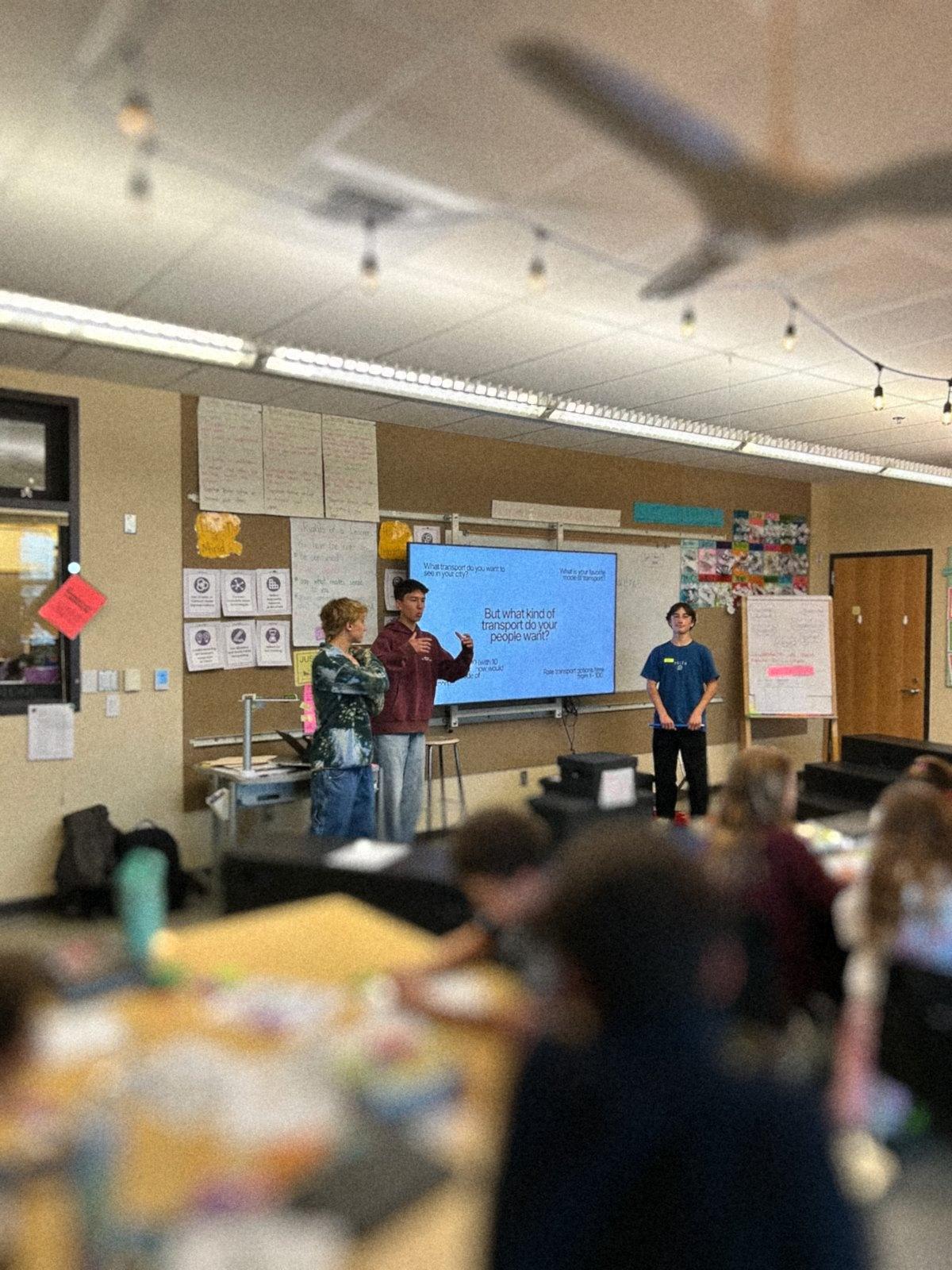
What UEY volunteers get.
You get community service hours, practice teaching and leading a group, and something solid to put on applications. After each visit we get everyone together to say thanks.
Bring the city into your classroom.
Teachers, students and schools can all take part.
Questions about UEY.
Who can volunteer?
Currently just high school students. You join with friends, pick your group, and a short briefing before each visit is all the preparation needed.
What do volunteers get?
Teaching and leadership experience, community service hours, and the chance to see classroom input reach real planning projects.
How do teachers book a visit?
Email us with your school, grade and a few times that work. Visits are designed to fit inside one class period.
Is there a cost?
No. Classroom visits are free for schools.